PRP is worth it for thinning hair, dull skin and acne scars when performed by an experienced clinician studies show 30–40% hair density increase after 3–4 sessions. Costs £250–£500 per session in London, with 3–6 sessions typically needed. PRP is less effective for advanced baldness or deep wrinkles, where alternatives perform better.
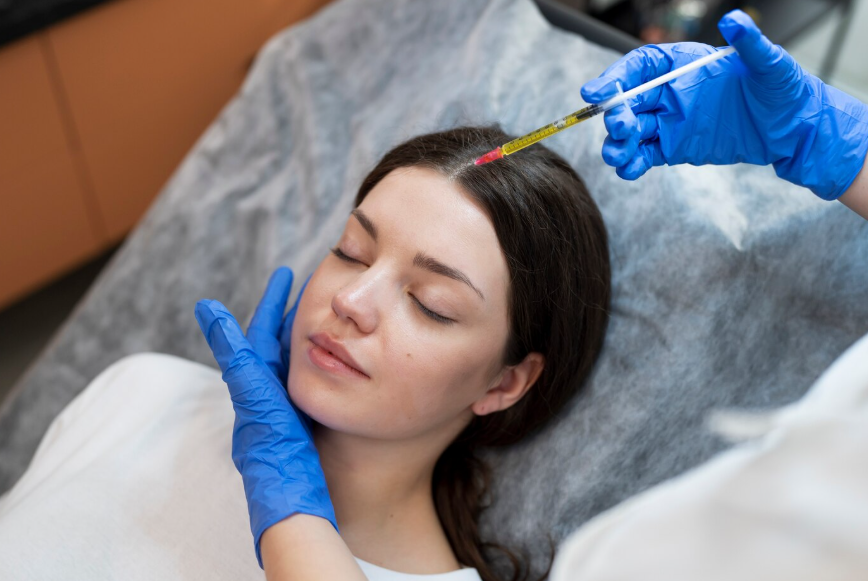
PRP at a Glance The Honest Verdict
PRP (Platelet Rich Plasma) is not a miracle treatment but it is highly effective in the right cases.
For a broader understanding of treatment philosophy and results Hanny Cosmetics offers a closer look at natural, clinically led aesthetic care.
✔ Worth it for:
- Early hair thinning
- Skin quality improvement
- Acne scarring (when combined with other treatments)
✖ Not worth it for:
- Advanced hair loss
- Significant volume loss or deep wrinkles
- Patients expecting instant results
The key is patient selection and practitioner expertise.
What Is PRP and How Does It Actually Work?
PRP uses your body’s own blood to stimulate regeneration.
The process:
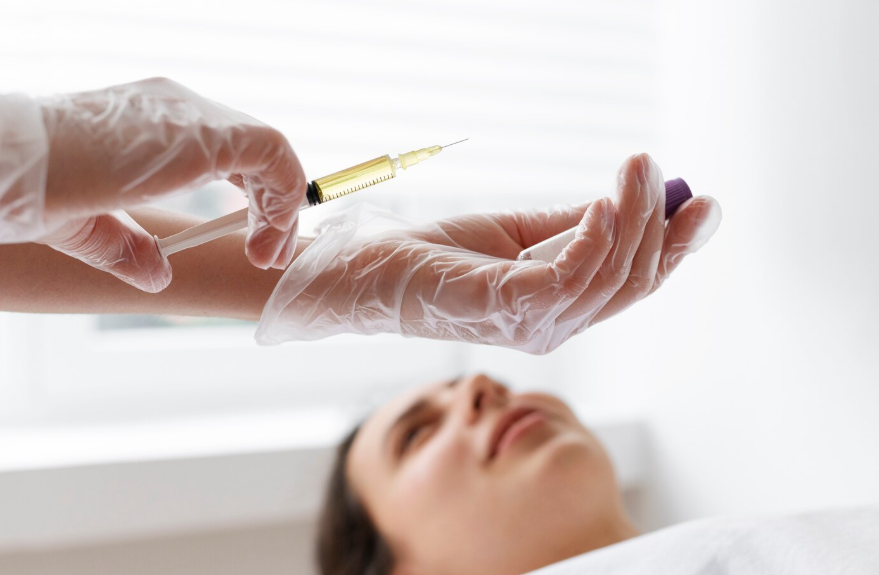
- A small blood sample is taken
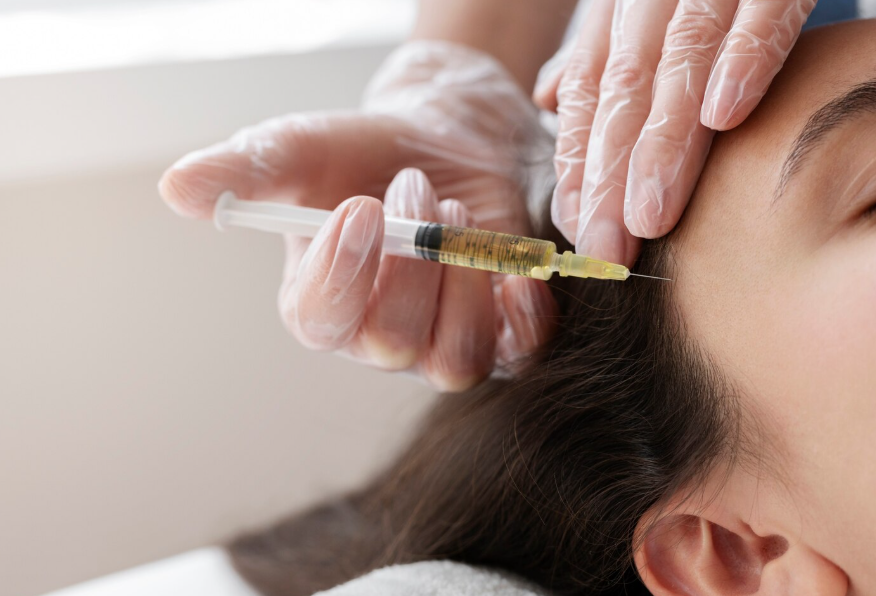
- It’s spun in a centrifuge to isolate platelet rich plasma
- The PRP is injected or applied to targeted areas
Platelets contain growth factors that:
- Stimulate collagen production
- Improve blood supply
- Activate tissue repair
This is why PRP works gradually it enhances your body’s natural healing response.
What PRP Is Genuinely Good For
Early Stage Hair Thinning
PRP is one of the most effective non surgical options for androgenetic alopecia (early hair loss).
- Improves hair density and thickness
- Strengthens existing follicles
- Best results when started early
Skin Rejuvenation and Texture
PRP improves:
- Skin tone and glow
- Fine lines
- Overall texture
Results are subtle but natural think “healthier skin” rather than dramatic change.
Acne Scarring (Combined With Microneedling)
Because acne scarring usually requires a combination approach, it’s important to understand the best treatments for acne scars rather than relying on PRP alone.
PRP enhances microneedling by:
- Accelerating healing
- Boosting collagen production
- Improving scar texture over time
Under Eye Hollows
PRP can:
- Improve dark circles
- Thicken thin skin
However, results are modest compared to filler based treatments.
What PRP Is NOT Good For (The Section Nobody Else Writes)
PRP has limitations and this is where many clinics overpromise.
PRP is not effective for:
- Advanced baldness (where follicles are no longer active)
- Deep wrinkles or significant sagging
- Immediate “wow” transformations
- Replacing volume (it doesn’t act like filler)
If your concern requires structural change, PRP alone won’t deliver.
How Much Does PRP Cost in London?
| Treatment Area | Cost Per Session |
| Hair PRP | £300–£500 |
| Facial PRP | £250–£400 |
| PRP with microneedling | £300–£500 |
Most patients require multiple sessions, so total investment typically ranges:
👉 £900–£2,000+ for a full course
How Many Sessions Will You Realistically Need?
Typical treatment plans:
- Hair loss: 3–6 sessions (monthly), then maintenance every 6–12 months
- Skin rejuvenation: 3 sessions spaced 4–6 weeks apart
- Scarring: 3–6 sessions depending on severity
One session alone is rarely enough.
PRP vs the Alternatives
PRP vs Minoxidil (Hair Loss)
- Minoxidil: Daily use, proven, inexpensive
- PRP: Boosts follicle health, less maintenance
👉 Best results often come from combining both
PRP vs Microneedling Alone
- Microneedling stimulates collagen
- PRP enhances and accelerates results
👉 Together, they outperform either treatment alone
PRP vs Polynucleotides (Newer Competitor)
- PRP: Natural, uses your own biology
- Polynucleotides: Lab derived, often more targeted for skin quality
Polynucleotides are gaining popularity but PRP remains a strong, natural option.
Side Effects, Risks and Who Shouldn’t Have PRP
PRP is generally very safe because it uses your own blood.
Possible side effects:
- Mild swelling or redness
- Temporary bruising
Avoid PRP if you:
- Have certain blood disorders
- Are pregnant
- Have active infections or inflammation
A proper consultation is essential.
Treatment Day What to Expect Step by Step
- Consultation and assessment
- Blood draw (similar to a routine test)
- PRP preparation (centrifuge process)
- Injection or microneedling application
- Aftercare guidance
Total time: 30–60 minutes
Realistic Results Timeline (Week by Week)
- Week 1–2: Skin may look fresher
- Week 3–6: Collagen production increases
- 2–3 months: Noticeable improvement
- 3–6 months: Peak results
Hair results typically take longer than skin results.
How to Choose a Safe PRP Clinic in London
Look for:
- Medically trained practitioner
- Experience with PRP specifically (not just general aesthetics)
- High quality centrifuge systems
- Clear treatment plans (not vague promises)
Avoid clinics that:
- Guarantee unrealistic results
- Offer PRP as a “one session fix”
- Don’t explain limitations
FAQs
Is PRP painful?
Most patients find it tolerable, especially with numbing cream.
How long do PRP results last?
Typically 6–12 months, with maintenance recommended.
Is PRP better than fillers?
They do different things PRP improves quality, fillers add volume.
Does PRP work for everyone?
No results depend heavily on your condition and stage.
Final Thoughts
PRP is worth it when used for the right indication and with realistic expectations.
It’s not a quick fix but it’s one of the most natural and biologically intelligent treatments available.
The clinics that get the best results are the ones that know when not to recommend it.
Not sure if PRP is right for you? Hannys Aesthetics Clinic in Harley Street London offers personalised assessments with honest, expert guidance.
Book a free consultation Hanny is a Harley Street aesthetic practitioner with a clinical background in facial anatomy and advanced injectables, specialising in natural, balanced results.
Hanny also runs the Harley Street training academy to see how to become an aesthetic practitioner in the UK