To become an aesthetic practitioner in the UK, you must complete accredited training in injectables or non injectables. Non medics can train via Ofqual regulated Level 4–7 courses; medics (doctors, dentists, nurses) can fast track. Training takes 3–12 months and includes hands on model practice, JCCP/Save Face registration, and insurance. New 2025 licensing rules apply to all practitioners offering Botox and fillers.
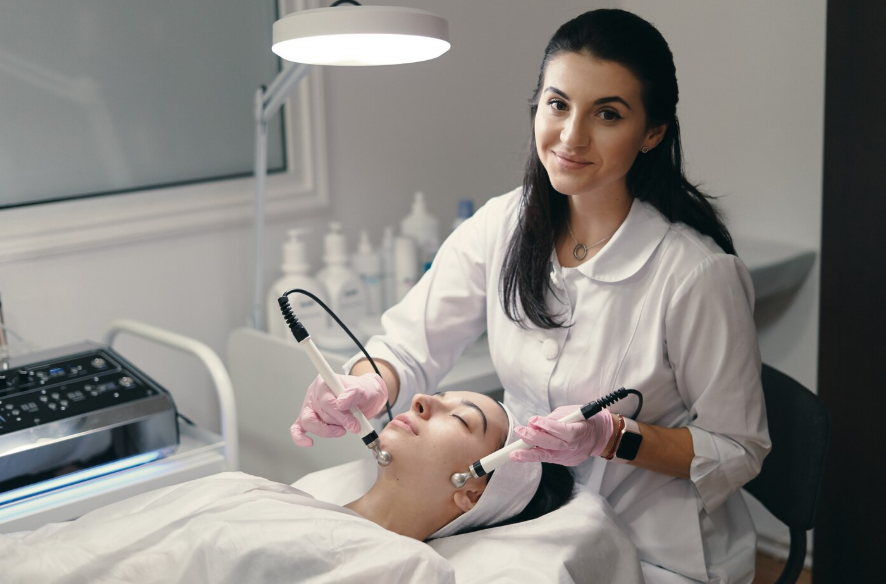
Can You Become an Aesthetic Practitioner Without a Medical Degree?
Yes you can become an aesthetic practitioner in the UK without a medical degree.
However, the route you take depends on your background. Non medics typically start with skin and advanced facial training (Level 3, 4) before progressing to injectables. Medics can move directly into Botox and dermal filler training.
What’s changed in recent years is regulation. With the introduction of the 2025 UK licensing scheme, all practitionersmedic or non medic, must meet stricter competency and safety standards.
The Three Routes Into the Industry
Medical Professionals (Doctor, Dentist, Nurse, Pharmacist)
If you’re medically qualified, you can:
- Fast track into injectables (Botox and fillers)
- Prescribe (or work closely with a prescriber)
- Progress quickly to advanced treatments
Dentists, in particular, have a strong advantage due to their knowledge of facial anatomy.
Beauty Therapists (NVQ Level 3+)
If you already work in beauty:
- You’ll need to progress to Level 4 in skin treatments
- Then move into advanced procedures like microneedling, peels, and eventually injectables (depending on regulation and supervision)
This is one of the most common entry points.
Career Changers With No Background
Starting from scratch is possible, but structured progression is essential:
- Level 3 Beauty Therapy (or equivalent)
- Level 4 Advanced Skin Treatments
- Level 5+ Aesthetic Practice
- Injectables training (where permitted)
This route takes longer but is increasingly common.
What Qualifications Do You Need in 2026?
Ofqual Level 4, 5, 6 and 7 Explained
- Level 4 – Advanced skin treatments (microneedling, peels)
- Level 5 – Advanced aesthetic practice
- Level 6 – Injectable treatments (dermal fillers)
- Level 7 – Botox and complications management (often for medics)
Choosing Ofqual regulated courses is critical; they’re aligned with national standards and recognised by insurers.
JCCP and Save Face Registration
To build trust and comply with best practice:
- JCCP (Joint Council for Cosmetic Practitioners) – voluntary register aligned with government standards
- Save Face – accredited register focusing on patient safety
Many insurers and clinics now expect registration with at least one.
2025 UK Aesthetics Licensing Scheme What It Means for You
The UK government’s 2025 licensing framework introduces:
- Mandatory licensing for Botox and fillers
- Minimum qualification standards
- Stronger enforcement against unsafe practice
This means:
- Short, unregulated courses are becoming obsolete
- Proper certification and clinical competence are essential
Insurance Requirements
Before treating clients, you’ll need insurance such as:
- Hamilton Fraser
- Cosmetic Insure
Insurers typically require:
- Accredited qualifications
- Proof of practical training
- Ongoing CPD (continuing professional development)
How Long Does It Realistically Take?
Timeframes vary depending on your starting point:
- Medics: 1–3 months to begin practising
- Beauty therapists: 3–6 months
- Complete beginners: 6–12 months
The biggest factor is hands on experience, not just theory.
How Much Does Aesthetics Training Cost in London?
Training costs vary widely:
| Course Type | Price Range |
| Foundation skin courses | £1,000–£3,000 |
| Advanced skin (Level 4) | £2,000–£5,000 |
| Injectable courses | £1,500–£4,000 per course |
| Full pathway (Level 3–7) | £5,000–£12,000+ |
Be cautious of very cheap courses they often lack proper supervision and model practice.
What You’ll Actually Learn (Injectables vs Non Injectables)
Non Injectables
- Skin anatomy and consultation
- Chemical peels
- Microneedling
- Laser and energy based treatments
Injectables
- Facial anatomy in depth
- Botox administration
- Dermal filler techniques
- Managing complications (vascular occlusion, etc.)
High quality academies prioritise hands on model training, not just demonstrations.
How to Spot a Reputable Academy
Red Flags
- “1 day Botox courses” with no follow up
- No live models or hands on practice
- No mention of qualifications or accreditation
- No aftercare or mentorship
Why Small Class Sizes and Hands On Practice Matter
The best training environments offer:
- Small groups (2–4 students per trainer)
- Supervised injecting on real models
- Ongoing support after certification
This is what builds real confidence, not just a certificate.
How Much Can You Earn as an Aesthetic Practitioner in the UK?
Earnings vary based on skill, location, and business model:
- Beginner: £2,000–£4,000/month (part time)
- Intermediate: £5,000–£10,000/month
- Established clinic owner: £10,000–£30,000+/month
Treatments like lip fillers (£300–£500 per session) can scale quickly with a loyal client base.
To understand real pricing and patient expectations see how a Hannys Aesthetics Clinic in Harley Street London and consultations
Setting Up Your Own Aesthetics Business The First 90 Days
Your first steps after training:
Month 1:
- Get insured
- Register with JCCP / Save Face
- Set up social media presence
Month 2:
- Start with model clients
- Build before and after portfolio
- Refine pricing
Month 3:
- Launch paid treatments
- Build referral network
- Consider clinic space or partnerships
Consistency and trust building are key early on.
FAQs
Can non medics do Botox in the UK?
Regulation is tightening. Under the 2025 scheme, you’ll likely need licensing and a prescribing partner.
Do I need a Level 7 qualification?
Not always but it’s increasingly expected for injectables, especially Botox.
Is aesthetics a good career in 2026?
Yesdemand continues to grow, especially for natural looking treatments.
Can I train part time?
Yes, many academies offer flexible pathways.
Final Thoughts
Becoming an aesthetic practitioner in the UK is more structured and more regulated than ever before. That’s a good thing for both practitioners and patients.
The key isn’t just getting qualified, it’s getting properly trained, supported, and mentored.
To see how clinical standards translate into real patient results, explore Hanny Cosmetics and our treatment approach
Most academies hand you a certificate and disappear. The difference comes from ongoing guidance, real clinical experience, and business support.
👉 If you’re considering a career in aesthetics, book a free 20 minute career path call with our Harley Street academy. We’ll map out the right route for you, no pressure, just honest advice.
Many of our students now run their own clinics across London and beyond. The right training doesn’t just teach you it sets you up for long term success.